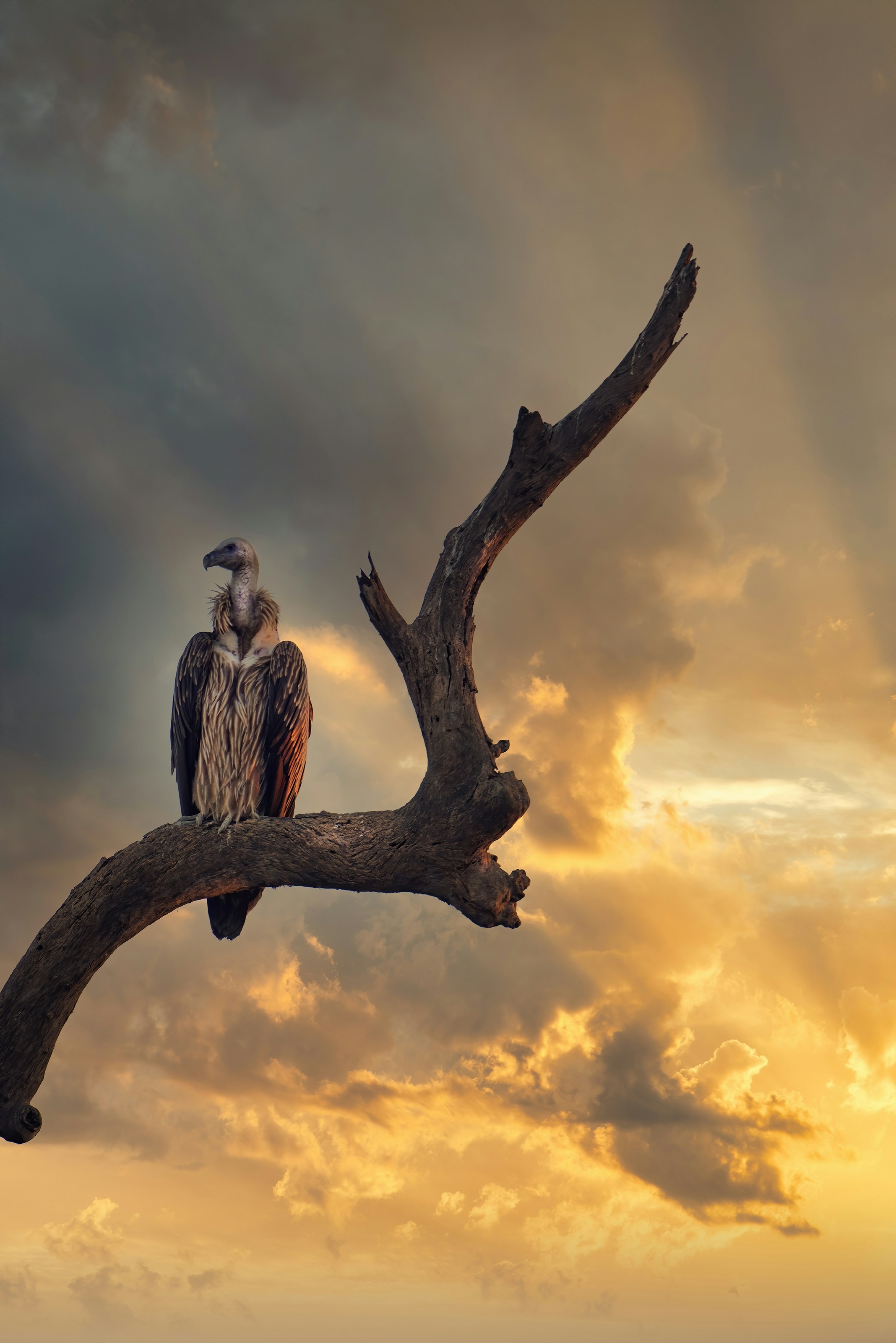
Gyps Vultures
ActiveWith the help of the Government of India, State Forest Departments and Royal Society for the Protection of Birds, we have scripted a success story in the conservation of Gyps Vultures.
Each BNHS project turns research into real-world conservation. Across landscapes and species, our programmes translate knowledge into action — restoring habitats, protecting wildlife, and empowering communities to safeguard nature's future.
With the help of the Government of India, State Forest Departments and Royal Society for the Protection of Birds, we have scripted a success story in the conservation of Gyps Vultures.
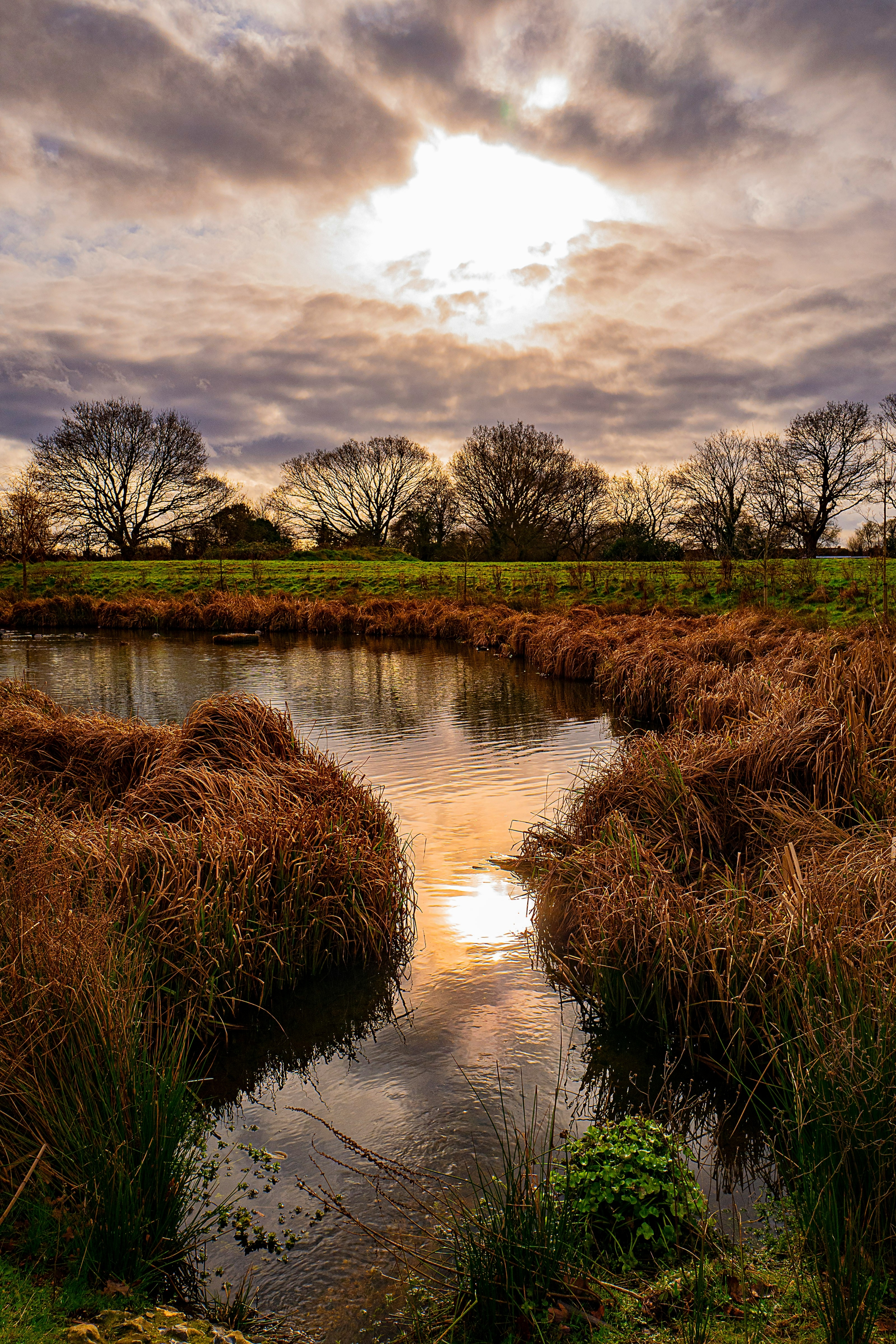
With a multi-layered approach, the programme is designed towards understanding wetland biodiversity and its conservation in India.
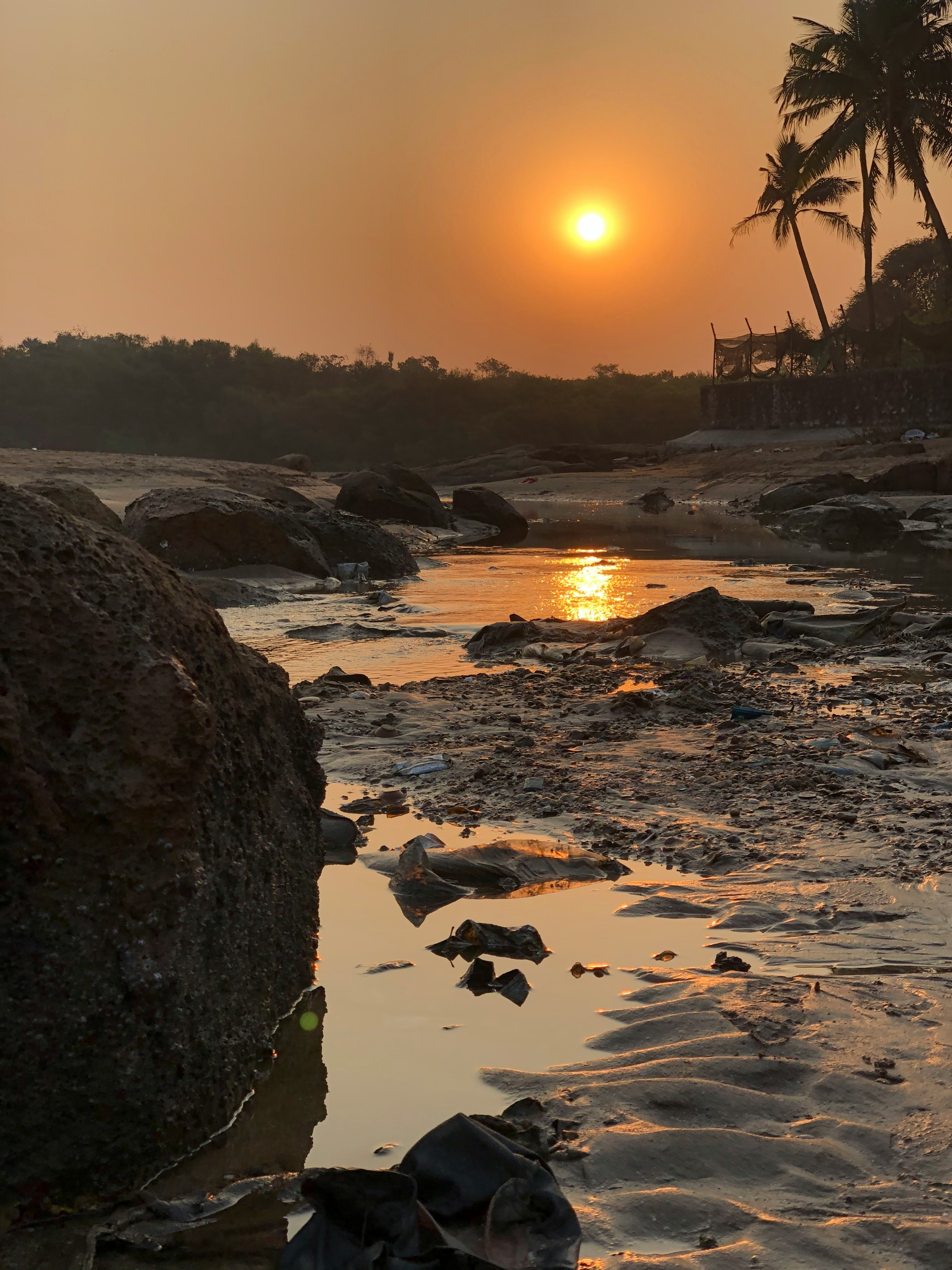
The project began in November 2014 aiming to restore mangroves in a 100 ha area around Jaigad creek, where waterbody had dried up in mudflats owing to the impact of Kasari-Satkondi Kharland bund.
Coordinated counts and habitat surveys track Indian Skimmer populations along key river systems, informing protection of breeding and feeding grounds.
Field research and community engagement strengthen conservation across high-altitude habitats, linking species monitoring with sustainable land use.
Long-term monitoring of nesting beaches and outreach with coastal communities supports recovery of marine turtle populations along India’s shores.
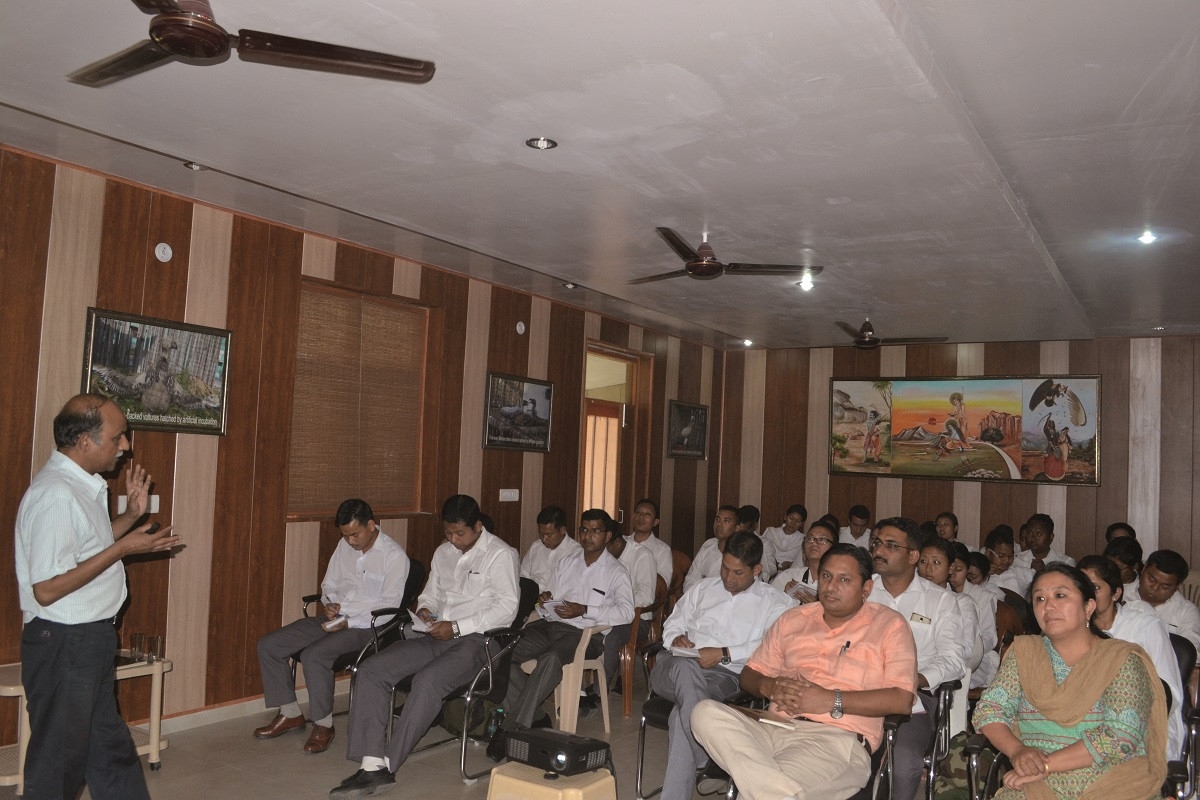
BNHS has made over 40 submissions to Forest Advisory Committee on critical habitats and wildlife corridors. Assited the governement to prepare a national Central Asian Flyway (CAF) action plan.
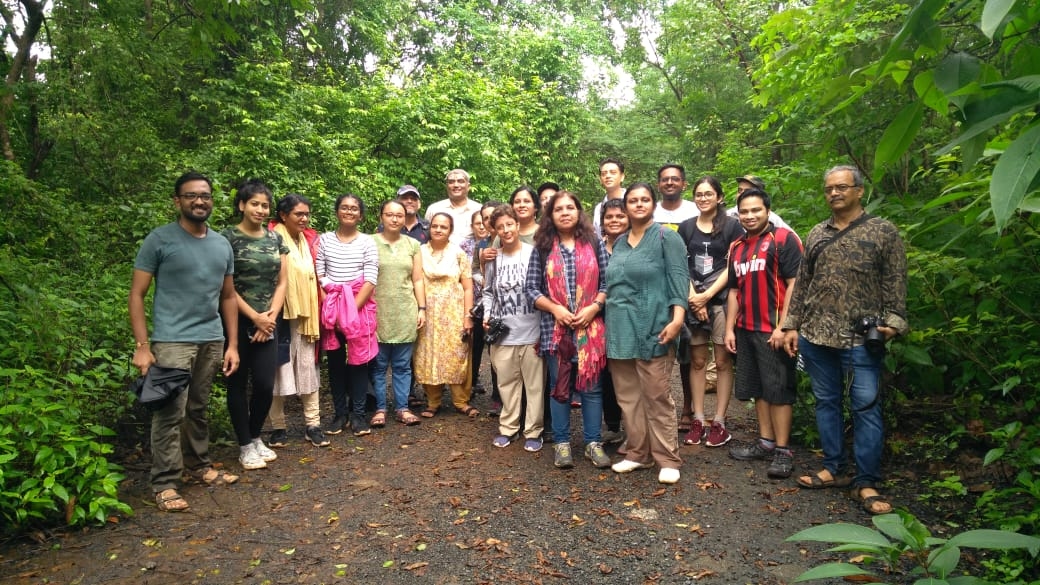
The Conservation Education Centre (CEC) of BNHS stands tall amidst lush green cover at Goregaon, abutting the biodiverse forests of the Sanjay Gandhi National Park. In 1983, the Maharashtra Government, at the behest of the Government of India, offered the land in recognition of the Society’s 100 years of service in nature conservation.