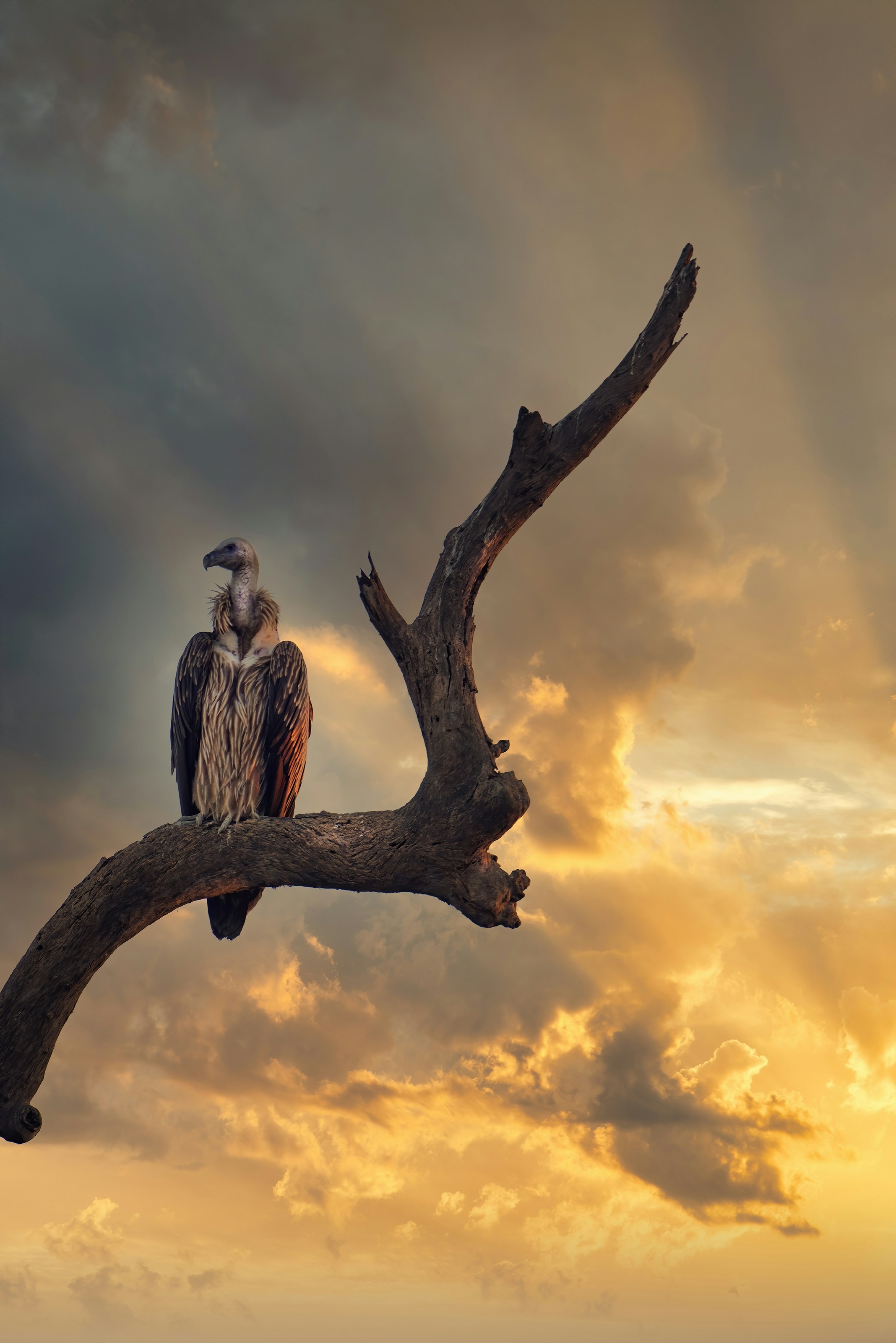
Gyps Vultures
With the help of the Government of India, State Forest Departments and Royal Society for the Protection of Birds, we have scripted a success story in the conservation of Gyps Vultures.
Turning knowledge into lasting impact for nature
At BNHS, science guides every step we take for conservation. Our research deepens understanding — of species, habitats and the challenges they face — while our field projects put that knowledge into action. From wetlands to grasslands, data becomes direction, and insight leads to impact. For us, studying nature and protecting it are not separate goals, but part of the same journey.
With the help of the Government of India, State Forest Departments and Royal Society for the Protection of Birds, we have scripted a success story in the conservation of Gyps Vultures.
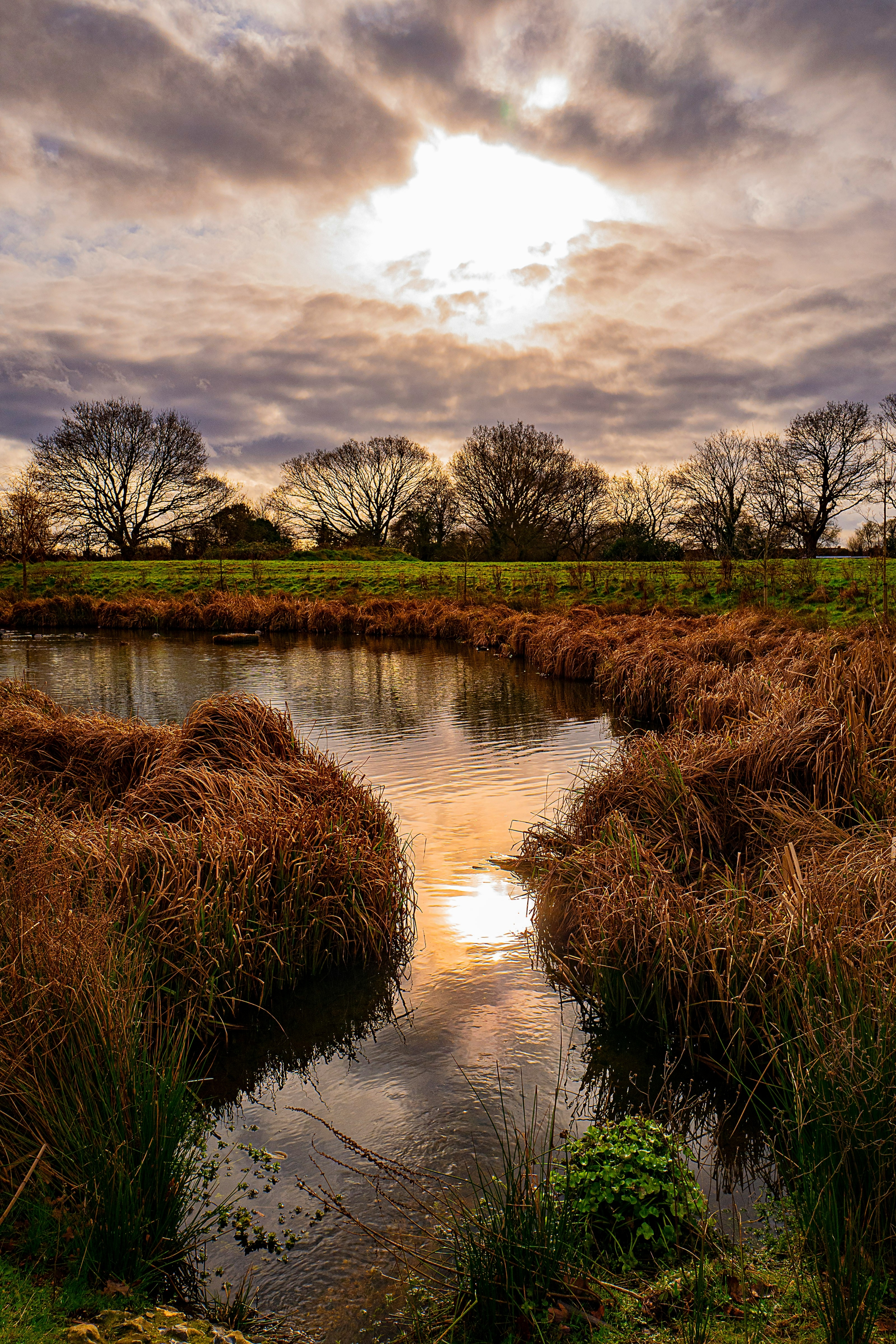
With a multi-layered approach, the programme is designed towards understanding wetland biodiversity and its conservation in India.
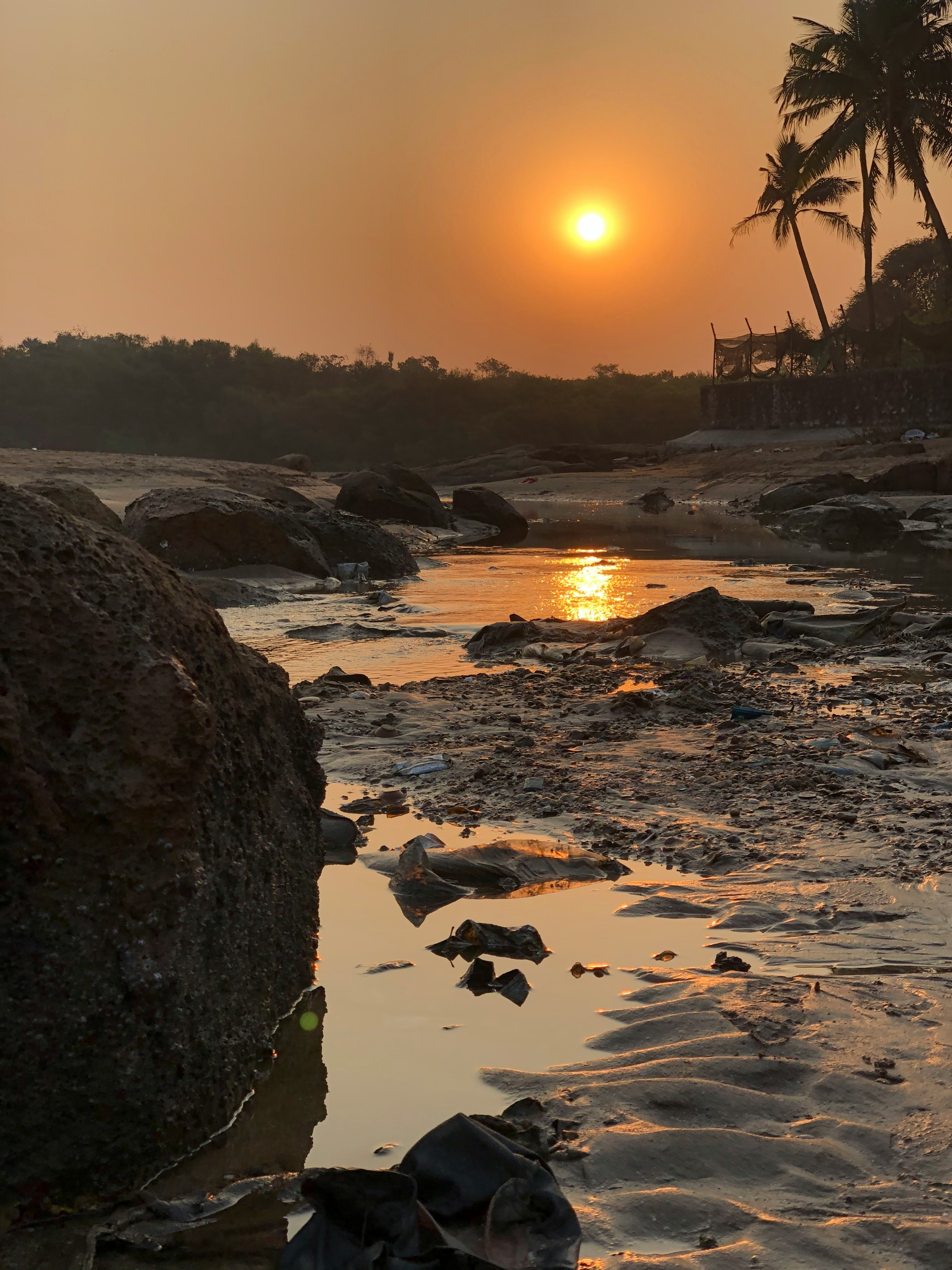
Long-term monitoring of nesting beaches and outreach with coastal communities supports recovery of marine turtle populations along India’s shores.
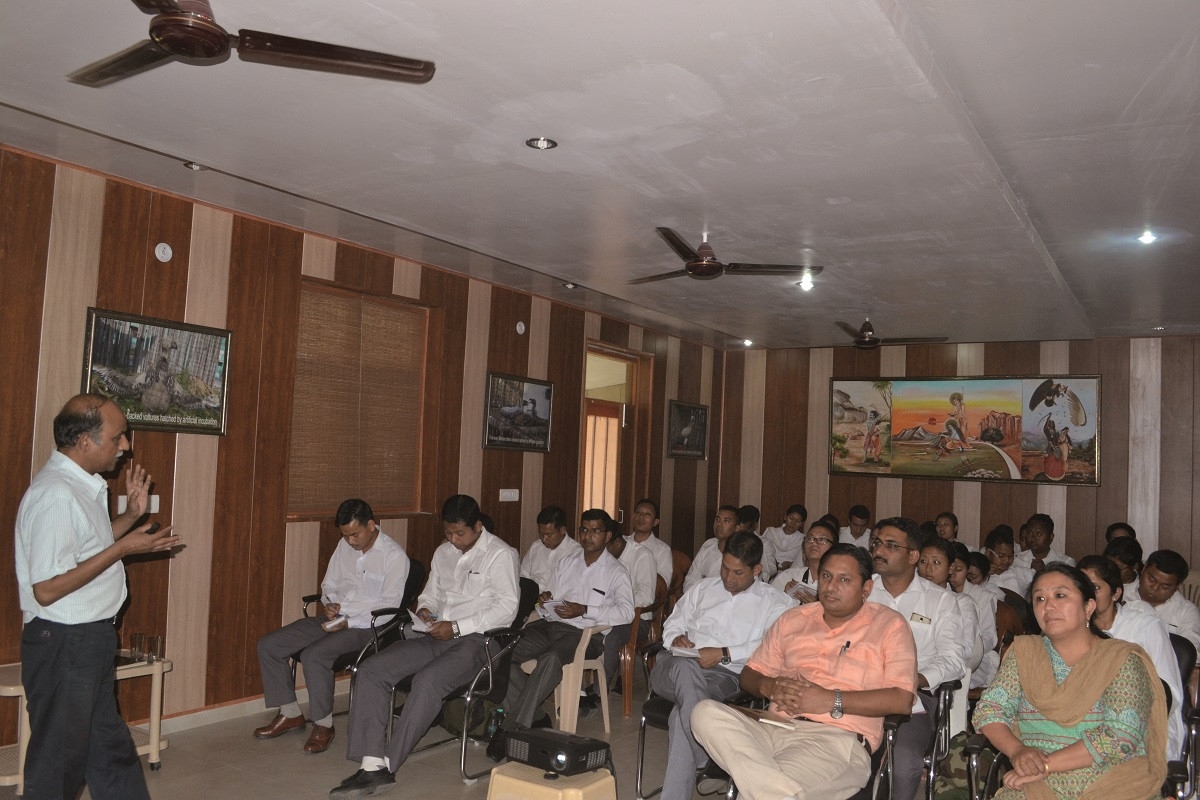
BNHS has made over 40 submissions to Forest Advisory Committee on critical habitats and wildlife corridors. Assited the governement to prepare a national Central Asian Flyway (CAF) action plan.
Report a tagged bird. Each observation of tagged birds helps in understanding various aspects of bird migration. A tagged bird can be reported in two ways:
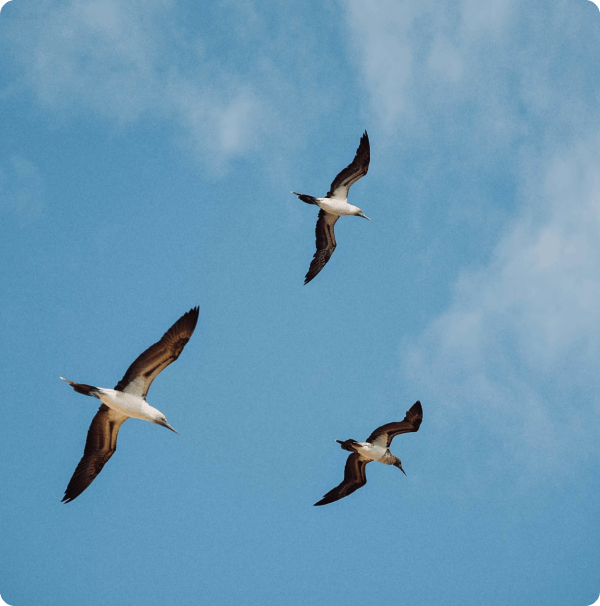

Download the 'Bird Band Sighting form' and fill in the details along with a photograph of the tagged bird and email us at bands@bnhs.org