
Gyps Vultures

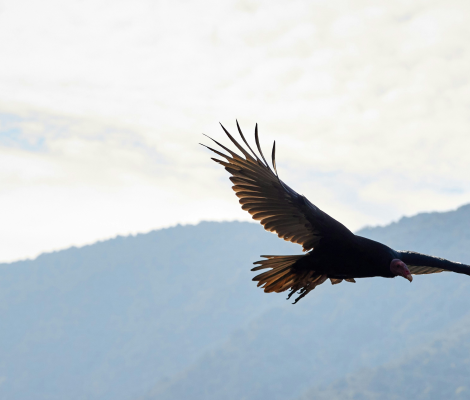
BNHS, with the help of the Government of India, State Forest Departments and Royal Society for the Protection of Birds, has scripted a success story in the conservation of Gyps Vultures namely Oriental White-backed Vulture Gyps bengalensis, Long-billed Vulture Gyps indicus and Slender-billed Vulture Gyps tenuirostris.
Background

The Gyps Vultures faced near-extinction owing to the use of diclofenac in treating livestock, which caused vultures to die when they fed on contaminated carcasses.

Impact

• Every year sees new fledglings and by 2019, over 600 vultures had been successfully reared in the four centres. The stage is now set for the captive-bred vultures to be released into the wild.

Download report 3

• Diclofenac availability reduced from 49% -> 23% in Bundelkhand region

• Near-zero diclofenac use observed in the Kaziranga National Park region

• In UP VSZ, vultures tagged in the neighbouring Nepal too were found visiting the region, which calls for intensified advocacy and awareness efforts.