Natural History Collection
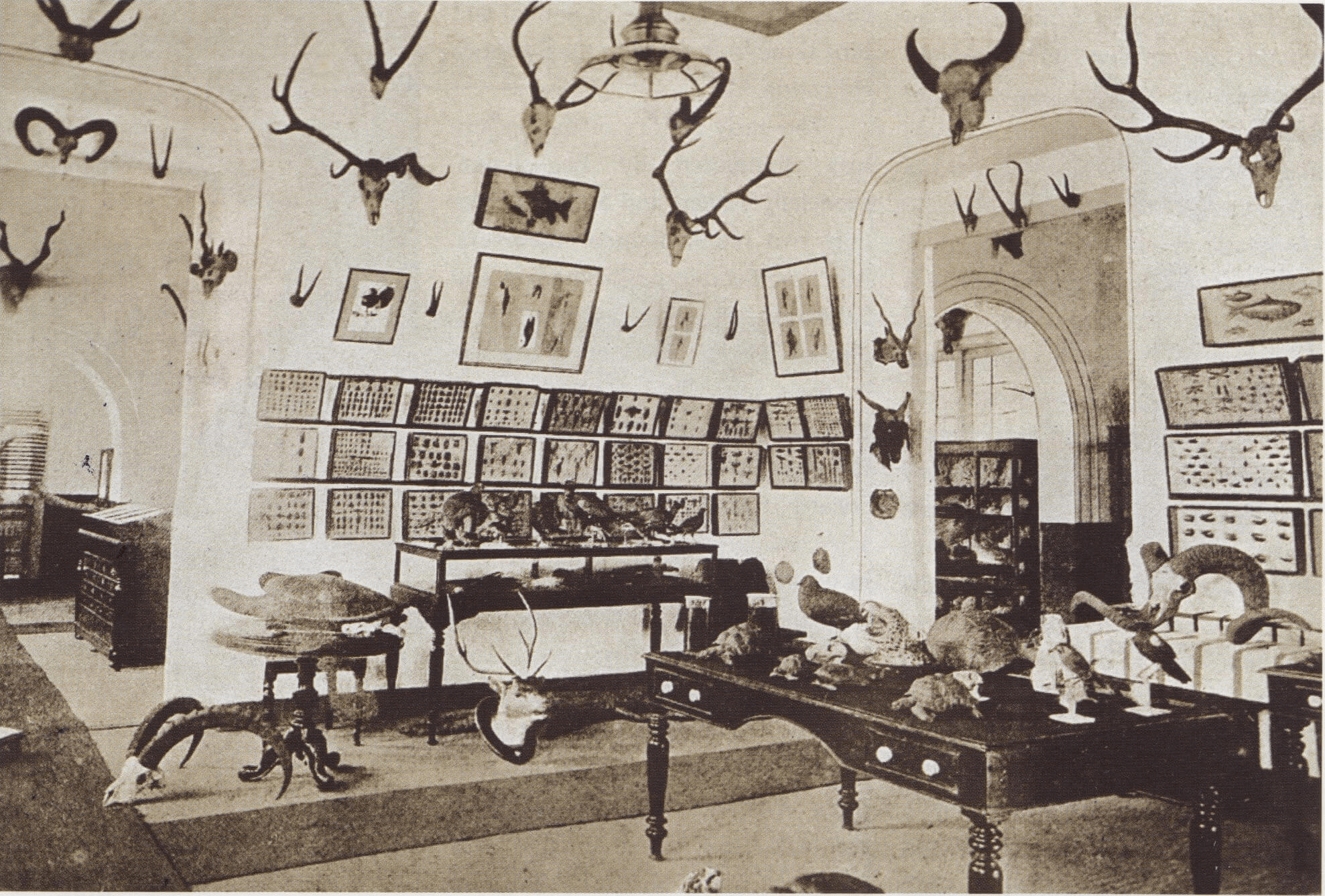
Our Collections department houses preserved specimens of birds and animals, maintained under controlled conditions for study, research, and reference. Each sample is carefully catalogued and stored to safeguard biodiversity records for generations to come.
18,500
Mammals
29,000
Birds
5,430
Bird eggs
8,500
Amphibians and reptiles
50,000
Insects
5,000
Other taxa
Specimens are catalogued and progressively published to the BNHS Virtual Museum, where records can be searched by taxon, collector and locality.
Visitor and research access
The Visitor Access Form is the official channel for all visitor and researcher requests. It covers visitor categories, service charges and provisions for both domestic and foreign visitors. Applications for depositing specimens with the collection use the second form below.
Dry collections are closed at present
The BNHS Natural History Collection Department's dry collections are currently closed until further notice due to ongoing renovation and the monsoon season. However, the herpetofauna collections remain open for research studies by prior appointment. For any collection-related queries, please write to us at collections@bnhs.org.
Apply for access
Choose the request you need — a visit or research consultation, or depositing specimens with the collection.
The IUCN Species Survival Commission believes that biological collections are irreplaceable evidence bases that allow us to close the taxonomic gap, which in turn is the precursor to assessment and conservation action. Their scientific value is thus not merely academic but crucial for conservation.
Museums are much more than repositories of preserved animals, algae, fungi and plants; they are innovative, cutting-edge research and education infrastructures that help us discover and understand our past, while guiding our future actions for biodiversity conservation and sustainable use.
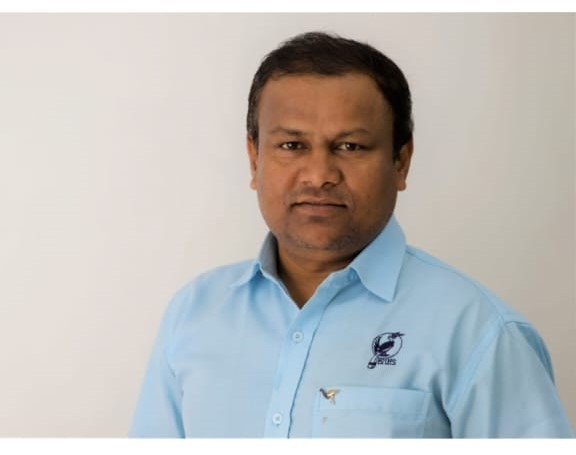
Key experts at Collections

Vinod T. Patil
Collections Manager
Shyam B. Jadhav
Collections Manager
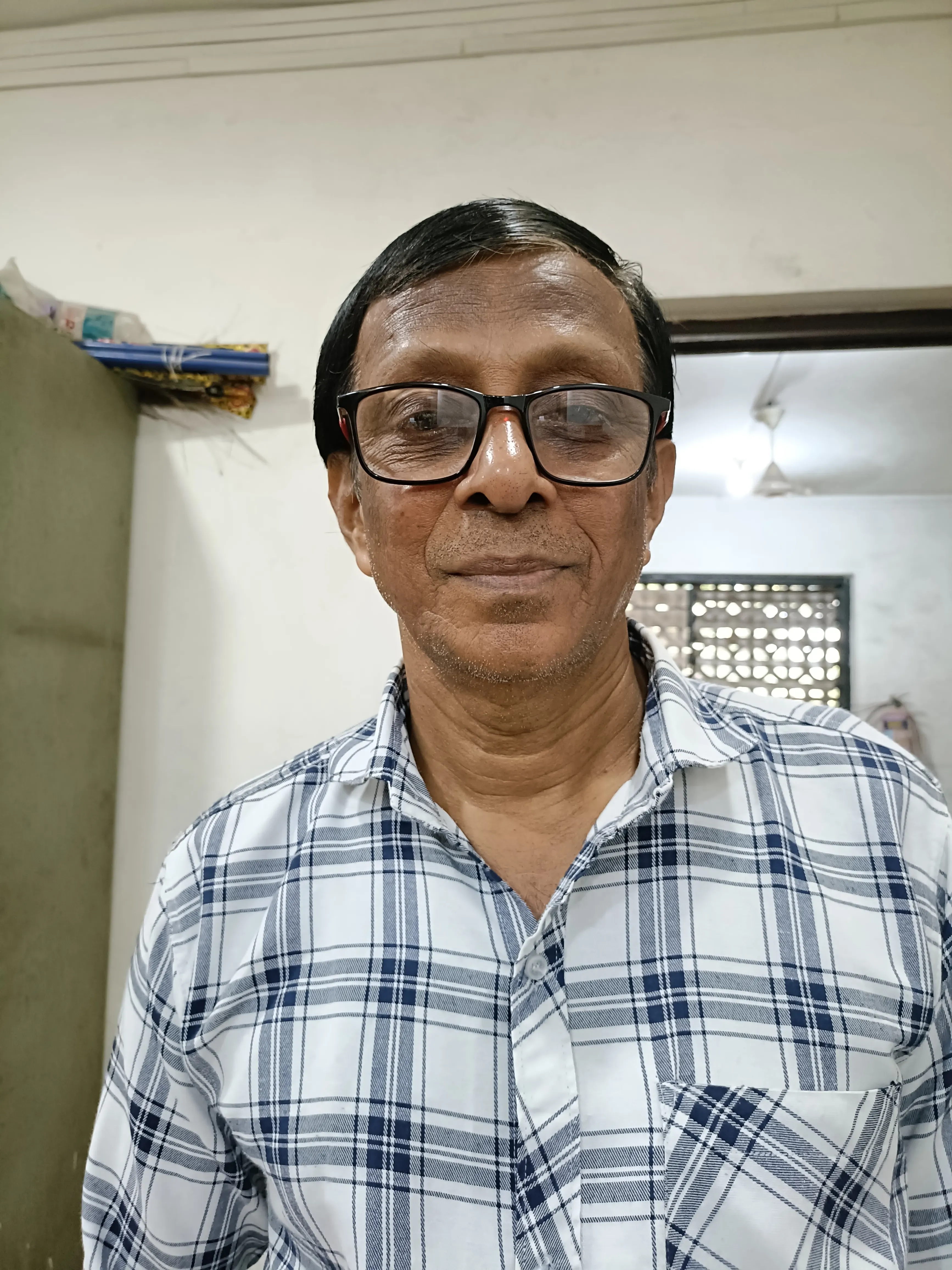
Vithoba Hegde
Conservation Scientist